
Indian Folk Art: A Vibrant Journey Through India’s Cultural Heritage
Indian folk art represents the soul of India’s diverse cultural landscape, encompassing centuries-old traditions passed down through generations. These art forms of India reflect regional stories, religious beliefs, and daily life through vibrant colors, intricate patterns, and symbolic representations that continue to captivate audiences worldwide.
The Rich Tapestry of Traditional Indian Folk Art
India’s artistic heritage spans thousands of years, with each region contributing unique styles and techniques to the nation’s creative legacy. Traditional Indian folk art serves as a living testament to the country’s cultural diversity, representing the voices of rural communities and tribal societies who have preserved these ancient practices.
The significance of these art forms extends beyond mere decoration. They function as historical records, spiritual expressions, and social commentaries that provide insights into India’s past and present. From the walls of humble village homes to prestigious international galleries, Indian folk art painting has found its place in contemporary discourse.
Understanding the Different Arts of India
Regional Variations and Cultural Significance
India’s geographical diversity has given birth to numerous distinct artistic traditions. Each state and region has developed its own unique approach to folk art, influenced by local customs, available materials, and historical events.
The northern states showcase bold geometric patterns and vibrant color schemes, while southern regions often emphasize intricate details and religious themes. Eastern India is renowned for its narrative paintings that tell elaborate stories, and western regions contribute dynamic forms that celebrate harvest festivals and seasonal changes.
Materials and Techniques
Traditional artists have always worked with locally available materials, creating sustainable art practices long before environmental consciousness became mainstream. Natural pigments derived from vegetables, minerals, and flowers provide the characteristic earthy tones seen in many Indian folk art images.
Clay, wood, fabric, and paper serve as primary canvases, while brushes made from twigs, bamboo, and animal hair allow for precise detailing. These time-tested techniques ensure that each piece carries authentic cultural DNA.
Types of Indian Folk Art: A Comprehensive Overview
Madhubani Painting
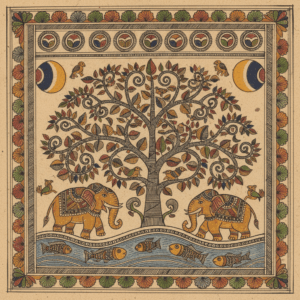
Originating from Bihar’s Mithila region, Madhubani painting stands as one of India’s most recognizable folk art forms. Women traditionally created these paintings on mud walls during festivals and special occasions, using natural dyes and pigments.
Characteristic features include:
- Intricate geometric borders
- Nature-inspired motifs
- Religious and mythological themes
- Bold color contrasts
- Fine line work
Warli Art
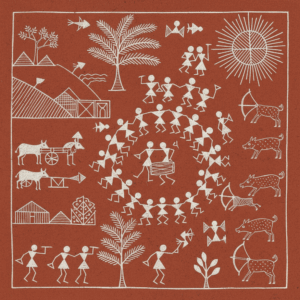
This ancient tribal art from Maharashtra depicts daily life through simple geometric shapes. Warli paintings use white pigment on mud-colored backgrounds, creating striking visual narratives about farming, dancing, and community celebrations.
Pattachitra
Odisha and West Bengal’s pattachitra tradition involves painting on cloth or dried palm leaves. Artists create detailed religious scenes with precise brushwork and natural colors, often depicting stories from Hindu epics.
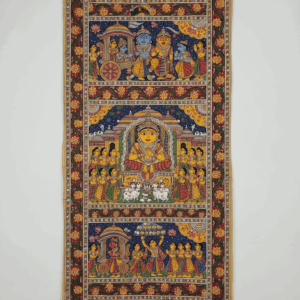
Kalamkari
Kalamkari is a traditional textile art from Andhra Pradesh where artists create beautiful designs on cotton cloth through hand-painting or block-printing. The name means ‘pen work,’ referring to the bamboo pen (kalam) that artists use to apply natural dyes made from plants and minerals.
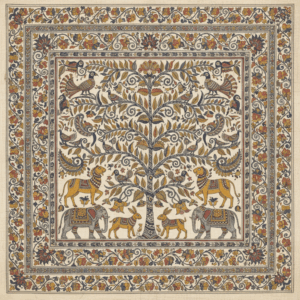
Gond Art
Practiced by the Gond tribe of Madhya Pradesh, this art form uses dots and lines to create intricate patterns. Artists draw inspiration from nature, folklore, and dreams, resulting in vibrant compositions filled with symbolic meaning.
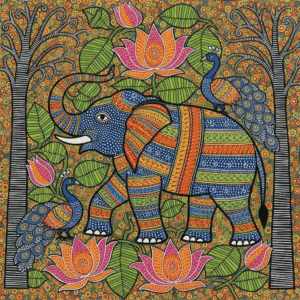
Exploring the Folk Arts of India by Category
Painting Traditions
Indian folk art drawing encompasses various regional styles that have evolved over centuries. Each tradition maintains distinct characteristics while sharing common themes of spirituality, nature, and community life.
Northern Traditions:
- Phad paintings from Rajasthan
- Pichwai paintings depicting Lord Krishna
- Kangra miniature paintings
Southern Traditions:
- Mysore paintings with gold leaf work
- Tanjore paintings on wooden panels
- Kerala murals in temples
Eastern Traditions:
- Patua scroll paintings from Bengal
- Alpana floor decorations
- Nakshi Kantha embroidered quilts
Western Traditions:
- Bhil art from tribal communities
- Mata ni Pachedi temple hangings
- Rogan art from Gujarat
Textile Arts
India’s textile traditions represent some of the world’s finest craftsmanship. Regional specialties include block printing, tie-dye techniques, and intricate embroidery work that transforms simple fabrics into artistic masterpieces.
Sculptural Forms
Three-dimensional folk art includes clay figurines, wood carvings, and metalwork. These pieces often serve religious purposes while showcasing exceptional artistic skill and cultural knowledge.
The Seven Different Types of Art in an Indian Context
When discussing the broader artistic landscape, Indian folk art falls within a comprehensive framework of creative expression. The seven different types of art traditionally include
- Painting—Including all folk painting traditions
- Sculpture—From temple carvings to village crafts
- Architecture—Traditional building designs and decorative elements
- Music—Folk songs and regional musical traditions
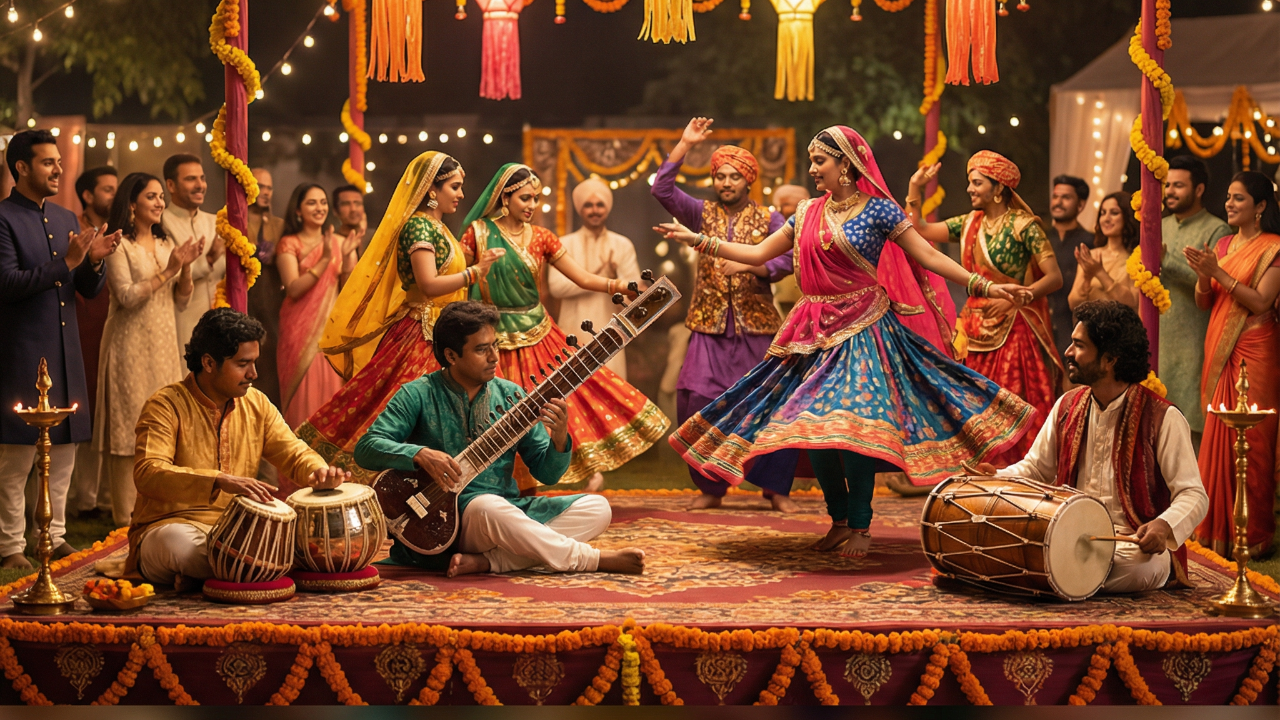
- Dance—Classical and folk dance forms
- Literature—Oral traditions and written works
- Theater—Traditional drama and storytelling performances
Each category interconnects with folk art traditions, creating a holistic cultural ecosystem that defines India’s artistic identity.
Examples of Traditional Folk Art Across India
Rajasthan’s Artistic Legacy
Rajasthan showcases multiple folk art forms, including miniature paintings, block printing, and puppetry. The state’s desert culture has produced distinctive artistic styles that celebrate royal heritage and pastoral life.
Tamil Nadu’s Temple Arts
South India’s temple traditions have generated sophisticated art forms that blend religious devotion with aesthetic excellence. Bronze sculptures, stone carvings, and painted murals demonstrate technical mastery and spiritual depth.
Bengal’s Narrative Traditions
West Bengal’s artistic heritage includes scroll paintings, clay figurines, and textile arts that tell elaborate stories. The region’s intellectual traditions have influenced artistic themes and presentation styles.
Madhya Pradesh’s Tribal Expressions
Central India’s tribal communities have preserved ancient artistic traditions that offer glimpses into prehistoric creative practices. These art forms maintain strong connections to nature and ancestral wisdom.
Contemporary Relevance and Global Recognition
Modern appreciation for Indian folk art painting has led to increased documentation, preservation efforts, and commercial opportunities for traditional artists. Museums, galleries, and cultural institutions worldwide showcase these treasures, introducing global audiences to India’s artistic wealth.
Digital platforms have revolutionized how people access and learn about different parts of India. The internet has changed everything for folk artists. Now they can show their art online, host virtual exhibitions, and use social media to connect with people everywhere, not just in their local areas.
Economic Impact and Artist Empowerment
Folk art traditions now contribute significantly to India’s creative economy. Government initiatives, nonprofit organizations, and private enterprises support artists through training programs, market access, and fair trade practices.
Women artists, in particular, have benefited from increased recognition and economic opportunities, transforming folk art from a subsistence craft to a sustainable livelihood option.
Preservation Challenges and Solutions
Threats to Traditional Practices
Urbanization, changing lifestyle patterns, and reduced intergenerational knowledge transfer pose challenges to folk art continuation. Many young people migrate to cities, leaving traditional communities without artistic successors.
Conservation Efforts
Multiple stakeholders work to preserve these invaluable traditions through documentation projects, artist training programs, and cultural education initiatives. Museums, universities, and cultural organizations collaborate to ensure knowledge preservation.
Hidden Gems: Lesser-Known Indian Folk Art Treasures
While mainstream folk art forms receive significant attention, India harbors numerous lesser-known artistic traditions that deserve recognition for their unique contributions to the nation’s cultural landscape.
1. Pichwai Painting – Rajasthan
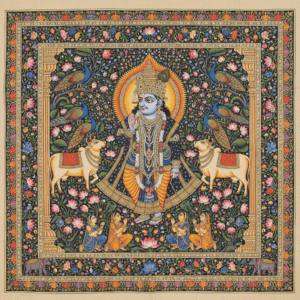
Pichwai paintings serve as elaborate backdrops in temples dedicated to Lord Krishna, particularly in Nathdwara. These large cloth paintings depict Krishna in various seasonal contexts and festival celebrations. Artists employ rich colors, intricate gold work, and detailed figurative compositions that change according to religious calendar events.
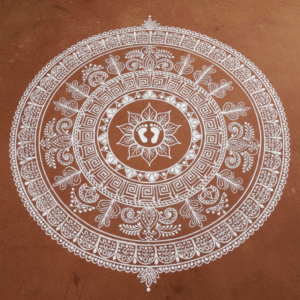
2. Alpana Art – West Bengal
Practiced primarily by Bengali women, Alpana involves creating decorative floor and wall designs using rice paste. These temporary artworks appear during festivals, weddings, and religious ceremonies. The flowing, freehand patterns incorporate lotus flowers, paisley motifs, and geometric designs that symbolize prosperity and divine blessings.
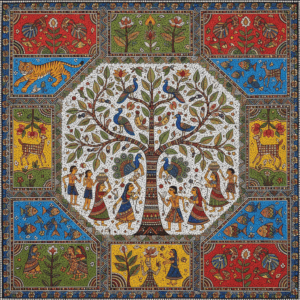
3. Bhil Art – Rajasthan and Gujarat
The Bhil tribal community creates vibrant paintings that chronicle their oral histories, myths, and daily experiences. Using dots and dashes as primary techniques, Bhil artists work on cloth, paper, and walls. Their art often features animals, human figures, and natural elements rendered in earth tones with contemporary acrylic additions.
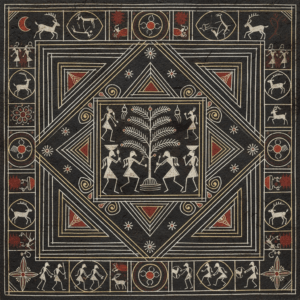
4. Saura Painting – Odisha
Originating from the Saura tribe of Odisha, this ancient art form decorates the walls of village homes during festivals and life cycle ceremonies. Artists use natural pigments to create ritualistic paintings featuring their primary deity, Idital, along with scenes of harvesting, hunting, and community celebrations.
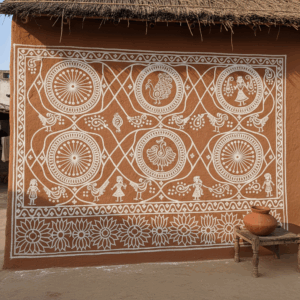
5. Mandana Art – Rajasthan
Women in rural Rajasthan practice Mandana as a form of wall decoration during festivals and auspicious occasions. Using geometric patterns, floral motifs, and stylized animal figures, artists create these designs with white clay paste on mud walls. The art form reflects agricultural themes and seasonal celebrations.
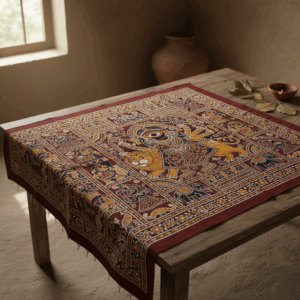
6. Mata-ni-Pachedi – Gujarat
This textile art form serves as temple hangings dedicated to the Mother Goddess. Artists hand-paint or block-print religious narratives on cloth using natural dyes. The distinctive red and black color scheme on white backgrounds creates striking visual stories that function as portable shrines for nomadic communities.
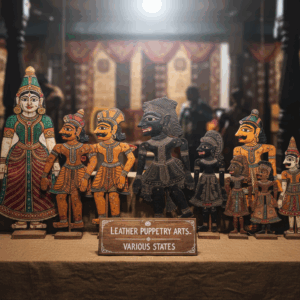
7. Leather Puppetry Arts – Various States
Different regions have developed unique leather puppet traditions, including Tholu Bommalata from Andhra Pradesh, Togalu Gombe Ata from Karnataka, and Chamadyacha Bahulya from Maharashtra. These art forms combine painted leather figures with storytelling, music, and dance to create immersive cultural performances.
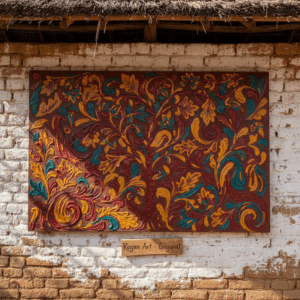
8. Rogan Art – Gujarat
Practiced exclusively by one family in Gujarat’s Kutch district, Rogan art involves creating fabric designs using castor oil paint. Artists apply paint with a metal rod, creating mirror-image patterns without sketches or stencils. This rare technique produces vibrant textiles with raised paint surfaces that maintain their quality for decades.
Learning and Appreciating Indian Folk Art
Educational Opportunities
Art schools, cultural centers, and online platforms offer courses in traditional techniques. These programs welcome both serious students and casual enthusiasts interested in exploring India’s artistic heritage.
Supporting Traditional Artists
Purchasing authentic folk art pieces directly supports traditional artists and their communities. Fair trade organizations and certified galleries ensure that artists receive appropriate compensation for their work.
Frequently Asked Questions
Q1: What are the folk arts of India?
India’s folk arts include painting traditions like Madhubani and Warli, textile arts such as Kalamkari and block printing, sculptural forms including clay figurines and wood carvings, and performing arts like folk dances and traditional theater.
Q2: What are the 7 different types of art?
The seven traditional art forms include painting, sculpture, architecture, music, dance, literature, and theater. In the Indian context, folk traditions contribute significantly to each category through regional specialties and cultural practices.
Q3: What are examples of traditional folk art?
Examples include Madhubani paintings from Bihar, Warli art from Maharashtra, Pattachitra from Odisha, Gond art from Madhya Pradesh, Kalamkari from Andhra Pradesh, and numerous regional textile, pottery, and sculptural traditions.
Q4: How can I identify authentic Indian folk art images?
Authentic pieces display traditional motifs, use natural materials and pigments, show hand-crafted irregularities, and often include artist signatures or regional style markers. Purchase from certified galleries or directly from artist communities.
Q5: What materials are used in Indian folk art drawings?
Traditional artists use natural pigments from vegetables, minerals, and flowers applied with brushes made from twigs, bamboo, or animal hair. Canvases include cloth, paper, wood, clay, and sometimes walls or floors.
Conclusion: Celebrating India’s Artistic Soul
Indian folk art represents far more than decorative objects or tourist souvenirs. These traditions embody centuries of cultural wisdom, spiritual beliefs, and community values that continue to inspire contemporary artists and audiences worldwide.
The journey through India’s folk art landscape reveals the incredible diversity and creativity that defines this ancient civilization. From the geometric precision of Warli paintings to the narrative complexity of Pattachitra, each tradition offers unique insights into regional cultures and universal human experiences.
As we move forward in an increasingly digital world, preserving and promoting these traditional art forms becomes crucial for maintaining cultural identity and artistic diversity. Supporting traditional artists, learning about different techniques, and appreciating the stories behind each piece helps ensure that future generations can experience the magic of India’s folk art heritage.
Ready to explore India’s artistic treasures? Visit local galleries, attend cultural festivals, or take online courses to deepen your understanding of these magnificent traditions. Your journey into Indian folk art awaits—discover the stories, techniques, and cultural wisdom that have inspired artists for countless generations.

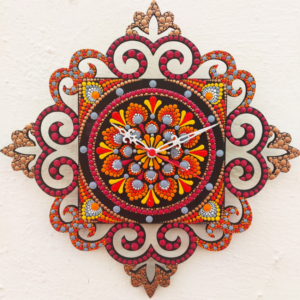
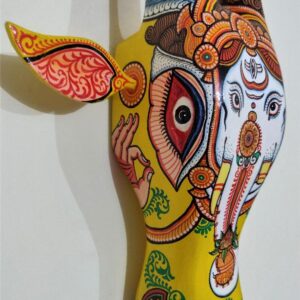
Cow Head with Lord Ganesh
Original price was: ₹1,500.00.₹1,000.00Current price is: ₹1,000.00.
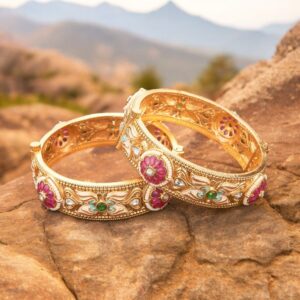
Antique Meenakari Bangles
Original price was: ₹1,000.00.₹899.00Current price is: ₹899.00.